What We Can Learn From Blue Zones


Scientists have found that an extremely high rate of people in certain regions of the world live much longer than the average, over 90 and even 100 years. These regions were named the “Blue Zones” and include Okinawa (Japan); Sardinia (Italy); Nicoya (Costa Rica); Icaria (Greece); and Loma Linda (California, USA). A village called Seulo, located in Sardinia, Italy, holds the record of 20 centenarians from 1996 to 2016, giving it the title “the place where people live the longest in the world.”

Interestingly, research has found that genetics only account for about 20–30% of longevity. Instead, environmental influences, including diet and lifestyle, play a significant role in determining one’s lifespan. To find out the reasons for Blue Zone inhabitants’ longevity, a study on their eating and lifestyle habits was conducted; here is what they found.

1. Focusing On Plant Foods 

What people in all Blue Zones have in common is that their diet is primarily plant-based, with 95% of it consisting of whole plant foods, and only 5% of meat and dairy. Although most of them are not strict vegetarians, they usually only eat meat about five times per month. This is attributed as a major reason for their longevity, as several studies have shown that avoiding meat can significantly reduce the risk of death from heart disease, cancer, and a number of other different causes. 

People in Blue Zones eat diets packed with vitamin-, mineral-, nutrient, and fiber-rich vegetables, legumes such as beans, peas, lentils, and chickpeas, as well as whole grains which are also rich in fiber and nuts. Another dietary factor contributing to their longevity is the consumption of omega-3-rich fish, which is important for brain and heart health and helps prevent cognitive decline in old age.

2. Regular Fasting and the 80% Rule

Blue Zones also follow reduced calorie intake and fasting. A 25-year study in monkeys found that eating 30% fewer calories than normal leads to a significantly longer life, which may be a factor in peoples’ longevity in Blue Zones. 

Studies in Okinawans suggest that before the 1960s, they were eating fewer calories than they required. In addition, Okinawans follow something called “hara hachi bu”, which involves stopping to eat after feeling 80% full. This prevents them from eating too many calories as well as from weight gain and chronic disease. Most people in Blue Zones also periodically fast which helps reduce weight, blood pressure, cholesterol, and many other risk factors for chronic disease in humans. 

3. Get Sufficient Sleep  

The right amount of sleep is important for overall health. While too little sleep is bad, too much sleep isn’t healthy either. People in Blue Zones get the optimal seven hours of sleep at night and often also nap no more than 30 minutes during the day, which may help reduce their risk of heart disease and death.

4. They Consume Alcohol in Moderation

Alcohol is consumed in moderation in Blue Zones, which reduces the risk of death from heart disease. In addition, most people in Blue Zones consume mostly red wine, which is considered healthier than other types of alcohol due to its antioxidants. Antioxidants may help prevent damage to DNA that can contribute to aging. Consuming up to two glasses of red wine per day is common in Italian Blue Zones. 

5. Exercise Is a Daily Habit  

People in Blue Zones don’t exercise with the intention of working out. Instead, their daily physical activities are built into their routines and include gardening, walking, climbing stairs, cooking, and other daily chores that may help prolong life. Regular exercise or physical activity can reduce the risk of cancer, heart disease, and overall death.

Sources: 

What Is Grounding?

Environmental medicine, which usually addresses environmental factors with a negative impact on human health, has uncovered a surprisingly positive and often overlooked environmental factor on health: direct physical contact with the abundant electrons on the surface of the earth. This is called grounding, or earthing, a therapeutic technique that involves doing activities that “ground” or electrically reconnect you to the earth.

While grounding still remains largely under-researched, the few scientific studies done on the topic found several benefits on human health, including inflammation, cardiovascular disease, muscle damage, chronic pain, and mood. According to these studies, grounding affects the living matrix, which is the central connector between living cells. Researchers believe that grounding can help the body to restore its natural defenses. 

Benefits of Grounding 

While more research on the benefits of grounding has to be conducted, studies on people who practice grounding have uncovered health improvements for conditions such as chronic fatigue, chronic pain, anxiety and depression, sleep disorders, and cardiovascular disease. 

While many of these studies were small and require further research, their initial findings seem promising. Although some health professionals believe that the benefits of grounding therapy simply stem from feeling like you’re reconnected to nature, the method is free and harmless. Thus, it doesn’t hurt to practice grounding. 

How to Practice Grounding

While there are several ways of grounding, they all focus on reconnecting you to the earth, either through direct or indirect contact with the earth. Some examples of grounding include:

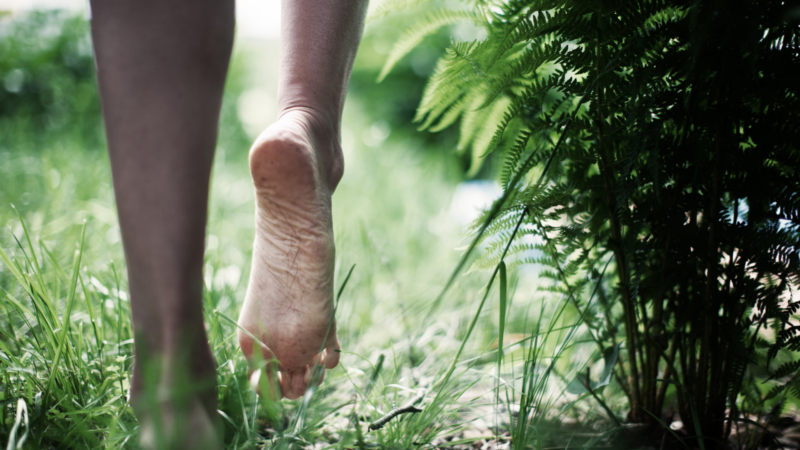
  • Walking barefoot – Granted, it has to be warm enough outside, walking barefoot is the easiest way to ground yourself to the earth. Whether you are walking on grass, sand, or mud, as long as the surface you are walking on is part of the natural earth, you benefit from grounding energy.
  • Lying on the ground – Similar to walking barefoot, lying on the ground exposes your skin to the natural earth. In fact, lying down can increase your skin-to-earth contact. You can lie down on the grass in your garden or in a park, or in the sand at the beach. 
  • Submerging in water – According to researchers, water may also be used for grounding. All you have to do is swim in the ocean or wade in a clear lake. 

Using a Grounding Mat

Unfortunately, it’s not always summer and you may not have access to the beach or a park. As an alternative, you can ground yourself with the use of a grounding mat, which replaces direct contact with the earth. The earthing hypothesis is that the earth’s surface has a negative electric charge, and when it comes in contact with human tissue, it creates an equalization. The body can take on extra electrons and build up a static electric charge. A grounding mat mimics the electric current of the earth which allows a person to practice grounding at home or in an office.  

Conclusion 

Grounding is an easy, cost-free therapeutic method with potential benefits for many health conditions such as pain, fatigue, sleep disorders, anxiety, depression, and cardiovascular disease. It may involve walking barefoot, lying on the ground outdoors, or swimming in the ocean. Because it is painless, widely accessible, and harmless, it’s a great addition to an already healthy lifestyle. 

Sources: 

https://www.ncbi.nlm.nih.gov/pmc/articles/PMC3265077 

https://www.healthline.com/health/under-review-grounding-mats

The Main Health Benefits of Exercising With Other People

There’s overwhelming evidence that being physically active provides health benefits and is essential to living long into old age. But, is it better to exercise alone or with other people? According to a study on older Japanese adults, increased frequency of exercise with others has important health benefits regardless of the total frequency of exercise and can be attributed to the social component of group exercises. But there are other benefits, too. Here is our list of main health benefits when exercising with other people. 

1. Social interaction improves your mental and emotional wellbeing

Group exercise classes allow you to meet like-minded people, make new friends, and foster a sense of community. Studies show that individuals with strong social connections to family, friends, or their community are happier, physically healthier, and live longer, and have fewer mental health problems than people who aren’t well connected.

2. Long-term health benefits through commitment and consistency 

Because working out with a friend or partner can make exercise more fun, it increases your chances of sticking to it. Regular exercise has been shown to result in a number of health benefits, including reducing your risk for coronary heart disease and stroke, various forms of cancer, including breast cancer in women and bowel cancer, improving your mood, and extending your life expectancy.  The social interaction from working out in a group helps to increase your commitment to a fitness routine. When working out with others, cancellations and ‘no-shows’ are less likely as the group dynamic might prevent you from it. And it’s exactly this consistency that will offer you all the long-term health benefits that come with exercise.

3. You push yourself harder 

In addition to helping you stay consistent, exercise partners can also inspire and motivate you to perform better. It’s common for group members to  cheer each other on, which can make you push yourself harder and lead to improved endurance, strength, balance, and flexiblity. While endurance exercises improve the health of your heart, lungs, and circulatory system, muscle strength and better flexibility can make everyday activities feel easier and boost your overall energy. Moreover, if everyone in your group exercise class is at a similar fitness level, you will improve together, which can enhance your morale and motivation. 

Conclusion

To maintain good health in body and mind, it’s important that you stay physically active. Exercising with a friend, partner or group benefits your mental health and is a great way to keep you motivated, consistent, and can even save you money. Regardless of how you choose to exercise, or with whom, it’s important that you get started. And sometimes, the best way to do that is with a friend, partner or a group. 

Sources: 

https://onlinelibrary.wiley.com/doi/abs/10.1111/j.1751-9004.2010.00333.x 

https://www.mentalhealth.org.uk/statistics/mental-health-statistics-relationships-and-community 

https://www.nhs.uk/live-well/exercise/exercise-health-benefits 

https://www.ncbi.nlm.nih.gov/pmc/articles/PMC5156899

5 Mistakes That Cause New Habits to Fail

Habits are the key. Your habits determine how much money is in your bank account and the size of your waistline. Your habits determine the quality of your life.

It can seem impossible to break bad habits or to create new, positive habits. Most people have an ineffective approach. They try to go cold turkey and rely on willpower to force the necessary changes.

You already know this doesn’t work unless you’re incredibly motivated, and motivation isn’t reliable. It’s here one day and gone the next.

Create new habits more effectively by avoiding the most common mistakes:

1.Changing too much, too soon. A new habit is best installed in baby steps. If you want to spend two hours each day writing your novel, start with a single sentence each day. One sentence accomplishes something exciting: it gets you in the habit of sitting down and writing when it’s time to write. That’s the most important first step.

  • Start with small changes. Then increase the amount of time and effort when the habit of beginning is in place.
  • Seek behavioral changes that are so easy, you can’t possibly fail.

2.Relying on self-discipline. If your habit requires self-discipline, it won’t last. At most, self-discipline should only be required to make a habit of getting started. Habits are automatic. Self-discipline isn’t required to eat a candy bar or watch TV for most of us. If you have a habit of going to the gym, self-discipline isn’t required for that either.

  • Self-discipline is a short-term solution.
    Seek behavioral changes that are so easy, you don’t need self-discipline.

3.Expecting a new habit to be easy to install. Change isn’t easy. You’ll become complacent and lazy if you expect a new habit to be easy to implement. We’d all be rich, in shape, and speak five languages if creating new habits were a simple matter.

4.Expecting a new habit to be difficult to install. The opposite is also true. If you expect the process to be exceptionally difficult, you’ll also struggle. The thought of doing anything that’s hard can be sufficient reason to never get started in the first place.

  • New behaviors are easy to implement if you start slowly and have patience. It’s moving ahead slowly and having patience that are difficult.

5.Relying too much on information. Our society is blessed, or cursed, with access to an excessive amount of information. This can create two challenges:

  • It’s very easy to believe that you don’t know enough to take the first step. There’s always something out there that you don’t know. The need to know everything before getting started can leave you stuck. There’s no prize for knowing the most. There is great success in doing the most, though.
  • The belief that knowledge alone is sufficient is just as harmful. You might know how to do pushups, but that doesn’t provide the same results as doing 100 of them each day.
  • The special forces have a motto that 60% is enough to take action. If you know 60% of the relevant information, you know enough to move forward. You can figure out the other 40% along the way. Spend 90% of your time doing and 10% learning.

Dropping your negative habits and adding new, supportive habits is the key to changing your circumstances. Unfortunately, our instincts about change are incorrect.

Tiny changes are easy to implement and build upon. But this approach requires patience and the belief that it can work. Remember: small changes add up to big results.

Avoid the most common mistakes when attempting to add a new habit to your life and you’ll find greater success in adding habits that make a positive impact on your life.

8 Self-Care Habits That Will Change Your Life

If you’re like most people, you probably do a pretty good job of caring for the most important people in your life. However, you probably forget the most important person: You.

The better care you take of yourself, the better you’ll be able to care for others.

Taking care of yourself is a habit, perhaps the most important habit you can have. We neglect ourselves in many ways. This is a critical error.

self care is not luxury, it is necessity inspirational reminder – handwriting and doodle on a napkin, lifestyle and health concept

It’s important to take care of yourself daily. Adopt these habits:

  1. Take a nightly walk. You’re killing two birds with one stone when you go for a walk alone. It’s a great time to think. Part of your mind is occupied with moving your legs and maintaining your balance. The rest of your brain is free to think creatively. You’re also getting some good exercise. Most of us spend far too much time sitting each day. Getting up and accumulating a lot of steps is good for the mind and body.
  2. Use positive affirmations. Negative self-talk is the norm. You can undo this and give yourself a better perspective on life by using positive affirmations. Come up with just a few and repeat them to yourself throughout the day. Over time, you’ll be pleased with the results.
  3. Eat healthier. It’s believed that most people could stop taking their medications if they would only eat better. Our natural instincts are to eat high-calorie foods that aren’t particularly good for us. Unfortunately, this instinct greatly reduces longevity. Eating healthy can be a real challenge, because it goes against our nature. However, you’ll be amazed at how much better you feel mentally and physically when you clean up your diet.
  4. Read each day. Reading is great for brain health. Those that read daily have better cognitive abilities than those that don’t. This advantage extends into old age, too. Reading is also a great opportunity to learn something new. Imagine how much you could learn over 20 or more years by reading 30 minutes each day. That’s roughly 3600 hours, or 90 40-hour workweeks.
  5. Unplug. Your brain needs a rest from the constant stimulation of the internet, your smart phone, TV, tablets, and so on. Give yourself at least a few hours each day of complete rest from these items.
  6. Sleep at least 7 hours each night. Everyone seems to claim they only need 5 hours of sleep. Every one of them is incorrect. The science is clear on this matter. To maximize your health and cognitive abilities, you need at least seven hours of sleep. Some people need more.
  7. Keep a gratitude journal. Sure, it sometimes seems like there’s nothing good in your life, but that’s almost certainly not true. There are plenty of good things in your life. You’re just failing to recognize them. Remind yourself about all of these positive things by keeping a gratitude journal and writing in it each day.
  8. Give your body some gentle exercise each day. A little extra movement can do a lot of good things for your body and your brain. You don’t have to pound away on the treadmill like you’re training to race up the side of Everest, but a little sweat and heavy breathing can bring about some great changes.

Self-care is an important habit to develop. Being at your best is good for everyone around you. When you fail to take care of yourself, people have less respect for you. It’s hard to receive more respect from others than you’re willing to give yourself. You deserve the best. Treat yourself that way.

How to Stay Motivated Even When You’re Working Out Alone

Workout buddies and group fitness classes make it easy to stay motivated. You feel accountable for showing up, and it would be a little awkward to lounge around when everyone else in the room is doing pushups.

Still, there will probably be times when your schedule or other events require you to exercise on your own. When spin class is cancelled, or you’re snowed in at home, try these ideas to help you push yourself when you’re working out solo.

Things to Do During Your Solo Workout:

  1. Remember your purpose. There are many powerful reasons for exercising. Maybe you want to drop a dress size or have more energy. Perhaps you want to manage the symptoms of a chronic condition or strengthen your heart. What’s your big reason?
  2. Pick a space. Even the simplest home gym can serve as a visual cue that puts you in the mood to work out. On the other hand, you might prefer to head outside to a local park or your own backyard.
  3. Play music. Sit ups require less effort when you’re listening to your favorite songs. Put together a playlist of upbeat music that makes you want to move.
  4. Fight boredom. Switch your workouts around to avoid mental fatigue. You’ll also be challenging your body in new ways.
  5. Browse online. If you’re looking for fresh ideas, search for exercise videos and courses on your computer or phone. You can find any topic from CrossFit to ballet.
  6. Start small. Does an hour-long session sound overwhelming? Set incremental goals instead. Tell yourself you’ll try working out for 5 minutes. Chances are you’ll continue once you take the first step.
  7. Play around. Make workouts fun. Pick a variety of activities that you enjoy. Treat your sessions like a game where you compete with yourself to beat your last performance.
  8. Enjoy me time. It’s healthy to take some time for yourself. Learn to enjoy your own company and be comfortable in solitude.

Things to Do Before and After Your Solo Workout:

  1. Plan ahead. Design your full sequence in advance. That way, you’ll be less likely to give up in the middle of your session because you’re stumped for what to do next.
  2. Eat well. A balanced diet gives you energy. Start the day with a hearty breakfast, such as an omelet with fresh vegetables or grilled fish and rice.
  3. Drink water. Hydration is also important. In addition to sipping water while you work out, make it a habit to fill up throughout the day.
  4. Rest up. A sound workout plan includes adequate time for rest and recovery. Avoid burnout and injuries by taking days off or alternating between intense workouts and gentler activities like walking or Tai Chi.
  5. Give yourself rewards. You’ll have something to look forward to. Treat yourself to a fancy coffee drink or an exotic piece of fruit after each session. Let a new coat or an upgraded phone serve as an incentive to help you drop 10 pounds or run a faster mile.
  6. Track your progress. Use electronic fitness devices or a simple journal to help you evaluate your performance. Each small victory can inspire you to keep striving.
  7. Post online. Working out alone doesn’t mean you have to give up on social support. Share your workouts on Facebook or other platforms where you can chat with your fit-minded friends.

You can encourage yourself to workout consistently even when no one is looking. Plan ahead, have fun, and tap into your own sources of internal motivation. When you enjoy exercising alone, you’ll be more likely to stick with your program and enjoy the benefits of an active lifestyle.

14 Ways to Be More Loving Toward Yourself

What would your life be like if you treated yourself like a dear friend? After all, your attitude towards yourself shapes your daily reality.

When you’re kind to yourself, you have more strength and resilience to deal with difficult times. You may even find yourself attracting more affection from others when you love yourself wholeheartedly. Accepting yourself brings you closer to discovering your inner beauty and sharing it with the world.

Pursue your own passions instead of comparing yourself to others or blindly following external expectations.

Study these 14 ways to help you let go of judgements and value yourself more.

Taking Care of Yourself:

  1. Eat healthy. Self-care is one aspect of loving yourself, and following a balanced diet is fundamental. Get most of your calories from nutritious whole foods including vegetables, fruits, whole grains, lean proteins, and healthy fats.
  2. Exercise regularly. Work out at least 3 days a week to strengthen your heart and muscles and increase your balance and flexibility. Incorporate more physical activity into your day by biking to work or doing chores manually.
  3. Sleep well. Give your body adequate sleep and rest. Go to bed at the same time each night and invest in ergonomic bedding that supports proper posture.
  4. Schedule playtime. Take a break from being serious. Playing board games or sharing a laugh helps you to engage with others and stay mentally sharp.
  5. Change your self-talk. Do you speak harshly to yourself? Switch to words and messages that will encourage and inspire you.
  6. Stay connected. Surround yourself with supportive family and friends. Eat dinner together as a family so you can share wholesome meals and pleasant conversation. Arrange weekly dates with friends for coffee or lunch.
  7. Ask for help. Reach out for assistance when you need it. Let others know what they can do to help you resolve any challenging situation. Relationships are about give and take.

Believing in Yourself:

  1. Build trust. Follow through on the promises you make to yourself and know that you can deal with life’s ups and downs. Have faith in your talents and strengths.
  2. Practice forgiveness. Pardon yourself and others for past disappointments. Acknowledge that each of us messes up sometimes. Look at mistakes as opportunities to learn and grow instead of beating up on yourself.
  3. Set goals. Give yourself something to work towards. Design goals that are challenging and realistic. Write them down and share them with others to increase your sense of accountability. Well-defined goals can motivate you to achieve more.

Other Tips for Loving Yourself:

  1. Be authentic. Take satisfaction in being true to yourself. Welcome feedback from others but trust your instincts and make your own decisions.
  2. Develop gratitude. Being thankful makes you happier and boosts your self-esteem. Keep a gratitude journal or meditate on the positive aspects of your life. Express your appreciation to others by letting them know how much their kindness means to you and using it to motivate you to act generously too.
  3. Do meaningful work. Spend your time on activities that align with your values and purpose in life. Think about what you find most fulfilling about your job. You might also find gratification in hobbies, volunteering, or other areas apart from your career.
  4. Ask spiritual questions. While you’re nurturing your body and mind, pay attention to your spirituality as well. Your faith can provide a strong foundation for understanding and loving yourself.

Make your relationship with yourself a top priority. Take care of your needs and show yourself the same love and respect you would have for anyone you cherish.

How Exercise Can Help Improve Stress and Trauma

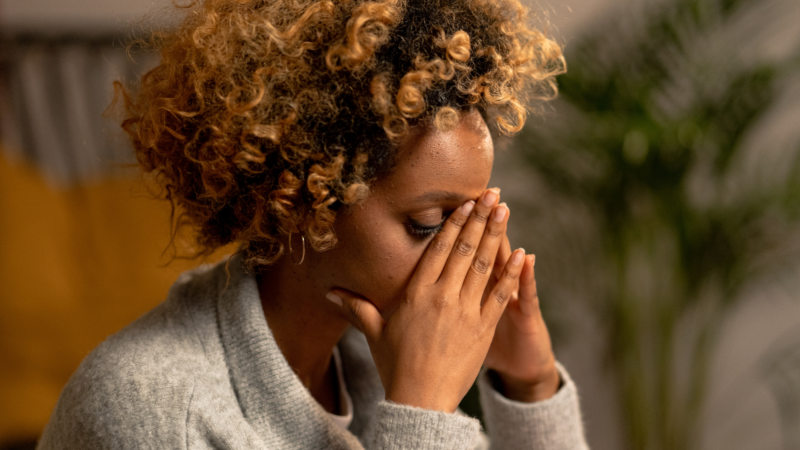
Post-Traumatic Stress Disorder (PTSD) is a prominent mental health problem that can develop after exposure to life-threatening and highly distressing events such as military combat, accidents, assault, a difficult childhood, or natural or human-caused disasters. These traumatic events can affect your present health by triggering emotional and physical reactions that can make you more prone to different health conditions, including heart attack, stroke, obesity, diabetes, and cancer. While antidepressants and talk therapy are often touted as the preferred methods to overcoming PTSD, there is mounting evidence that suggests that aerobic exercise may also serve as an effective treatment option.

PTSD Symptoms

According to the Diagnostic and Statistical Manual of Mental Disorders, 5th Edition: DSM-5, the diagnosis of PTSD is characterized by four broad symptom clusters. These include:

  1. The intense reliving of the traumatic event through disruptive memories and nightmares
  2. Avoidance of reminders of the event
  3. Negative cognitions and mood
  4. Hyperarousal

In addition to these characteristics, people suffering from PTSD also have signs of impaired cognitive performance, alterations in brain structure and function, loss of productivity, and major chronic diseases, including diabetes, obesity, and metabolic syndrome. Oftentimes, PTSD patients get less physical activity than before their trauma periods, which can contribute to poor health due to sedentary behavior. 

Exercise, Health, and Trauma Relief

Because psychological and pharmacological treatments for PTSD often carry the burden of stigma, cost, motivation, and access to care, exercise can serve as a viable treatment alternative. Exercise is low cost, widely accessible, and doesn’t come with the negative connotations associated with traditional approaches to mental health treatment. 

Both physical activity and exercise are beneficial to improving overall health. Physical activity, which refers to any bodily movement including walking, household or occupational activities, sport, and cycling, is beneficial for improved balance, coordination, musculoskeletal strength, and aerobic fitness. Regular exercise, which is a planned, structured, and repetitive form of physical activity, has significant health benefits, as it can help reduce the risk of cardiovascular disease, diabetes, and obesity and improve mental health conditions. In fact, research suggests that aerobic exercise, is an effective treatment for depression, anxiety, and schizophrenia through both physiological and psychological mechanisms and may be comparable or superior to other common treatments, such as psychotherapy and pharmacology. 

In his book ‘The Body Keeps The Score’, renowned trauma expert Bessel van der Kolk discusses his findings from over three decades of working with trauma patients. His research discovered that traumatic stress rearranges the brain’s wiring, more specifically areas dedicated to pleasure, engagement, control, and trust. His studies found that these areas can be reactivated through innovative treatments including movement therapies such as yoga and exercise, neurofeedback, mindfulness techniques, and play. 

Takeaway 

Trauma survivors often feel hopeless and helpless and many avoid getting professional help because they either don’t trust or don’t have access to prescription drugs or talk therapy to get better. While pharmacological and psychological treatments have proven effective, exercise and physical activity have also been shown to be powerful in helping trauma patients improve symptoms, heal and reclaim their lives. 

Sources: 

15 Simple Ways To Enhance Your Immunity

Healthy Lifestyle Wallpapers - Top Free Healthy Lifestyle Backgrounds - WallpaperAccess

You’ve probably seen website ads and natural food stores promoting miracle foods and potions that claim to boost your immune system. Are they worth the money?

In reality, a healthy lifestyle will probably do more for your immune system than anything you can buy.

The same habits that keep you strong and fit will maximize your resistance to infection and illness.

At the same time, it’s important to follow the advice of public health experts related to contagious illnesses, such as COVID-19. Practice social distancing, wash your hands frequently, and call your doctor promptly if you have any symptoms that concern you.

Sensible precautions and healthy choices can lower your risk of disease.

Consider these 15 simple ways to enhance your immunity…

Eating Habits that Support Immunity:

  1. Eat produce. Vegetables and fruits are rich in antioxidants and vitamins that help fight inflammation. Current federal guidelines recommend one and a half to two cups of fruit and two to two and a half cups of vegetables each day.
  2. Avoid sugar. In addition to empty calories, sugar can increase your risk for heart attack and stroke. The average American consumes 17 teaspoons daily, far more than the American Heart Association’s maximum of 9 teaspoons for men and 6 for women.
  3. Increase fiber. High fiber foods have a positive effect on your gut microbiome and immune functioning. Good choices include apples, potatoes, dark colored vegetables, beans, nuts, and whole grains.
  4. Try probiotics. Fermented foods are another source of healthy gut bacteria. Enjoy yogurt, miso, and tempeh.
  5. Drink tea. Tea contains a special kind of antioxidants called flavonoids that enhance immune function. Along with water, unsweetened tea also helps you to stay hydrated without extra calories.
  6. Add herbs. Ancient customs and modern medicine provide some support for the theory that certain herbs aid immune functions. Such herbs include garlic, ginger, and turmeric.
  7. Consider supplements. If it’s difficult for you to meet your nutritional needs through diet alone, you may want to take supplements. Talk with your doctor about your individual requirements.

5 common reasons why people struggle to stay in shape | Good Health

Other Habits that Support Immunity:

  1. Know the signs. How can you tell if your immune system may be weak? Monitor yourself for common signs such as frequent infections, fatigue, and wounds that are slow to heal.
  2. Quit smoking. Using tobacco lowers your levels of antioxidants and makes you more prone to respiratory infections and other illnesses. Studies show that your chances of quitting successfully increase if you combine methods, such as nicotine replacement devices and counseling.
  3. Limit alcohol. Similarly, heavy drinking suppresses the immune system. If you feel like your drinking is out of control, talk with your doctor about services that may help.
  4. Stay social. Your mental and physical health depend on mutually supportive relationships. Make it a priority to spend time with family and friends. If you can’t physically be with them, take advantage of technology like FaceTime, Slack, Zoom, and other video chats. Even phone calls and texts can benefit you.
  5. Lose weight. Being obese or overweight puts an extra burden on your immune system. Shed pounds safely with a balanced diet and regular exercise.
  6. Work out. Slimming down is just one of the benefits of physical activity. Find a variety of sports and classes that you enjoy, so you’ll want to stick with your program. For more fun and greater accountability, invite a friend to join you. Many places even offer virtual classes if you wish to participate at home.
  7. Manage stress. Chronic tension increases hormones that interfere with your immune system. In addition to exercise, relax with meditation and music.
  8. Sleep well. One study found that adults who slept for at least 7 hours each night were 4 times less likely to get a cold compared to those who slept for 6 hours or less. Set a consistent bedtime and stick to it.

The Importance of a Healthy Life


Even when you’re at rest, your immune system is working to protect you day and night. Taking care of your body will help it to do its job so you can lead a long and active life.